
Brands have become more than just a label on an item. Now, they create feelings and help shape different ideas of worth and value. What we wear and what we use can tell a story about who we are, which is why brands have taken on a larger role in how they present themselves to consumers. It is not just about the way a product looks. We also pay attention to who is using the product in advertisements, what ingredients are being used, the vibe a brand creates, and even the quality and appearance of its packaging. People want products that make them feel connected to something bigger than the product itself. They want something that not only works, but also fits into the way they see themselves and the life they want to create. Because of this, brands are not only selling products. They are helping shape what we associate with beauty, success, quality, and belonging. If brands are intentionally creating a certain look and feeling around their products, then representation should be part of that visual identity too. Who gets to be seen as beautiful, successful, or worthy of using these products
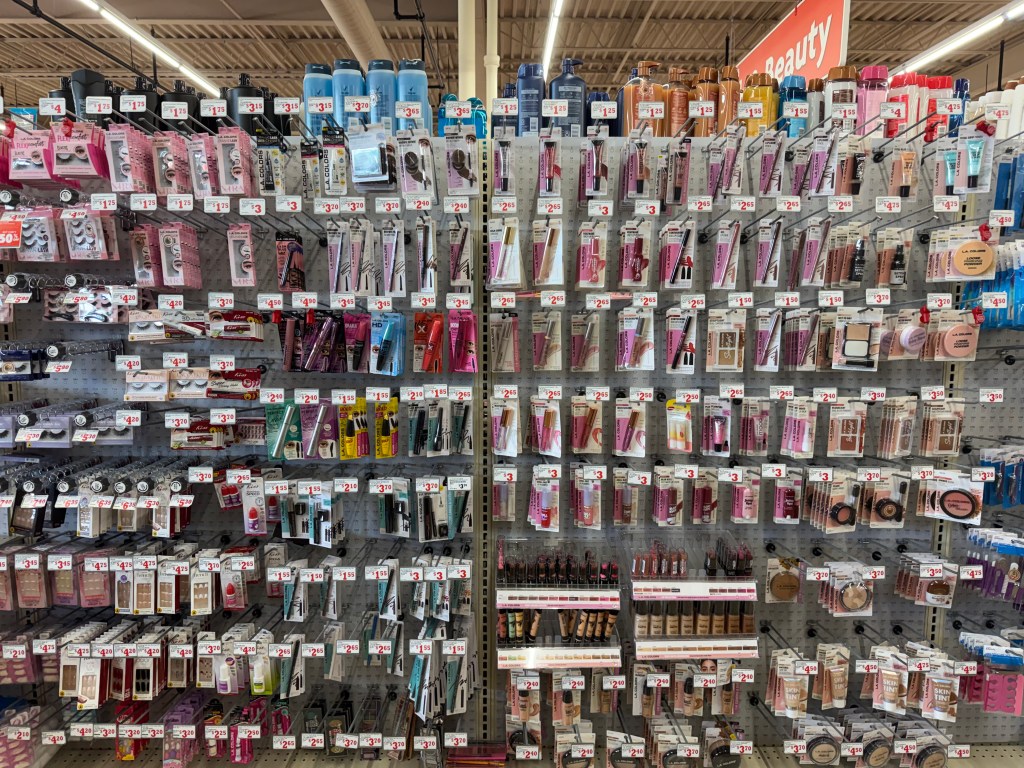
The Family Dollar makeup section shows an abundance of products with visible prices, which communicates that value here is connected to accessibility and getting more for less. Although certain products are name brand, the display relies more heavily on the visible prices rather than models or large product photography to create its visual appeal. This is interesting to consider when thinking about consumers who may not be able to afford to shop at higher-end makeup stores like Sephora or Ulta. Why should the shopping experience look so different based on what someone can afford?
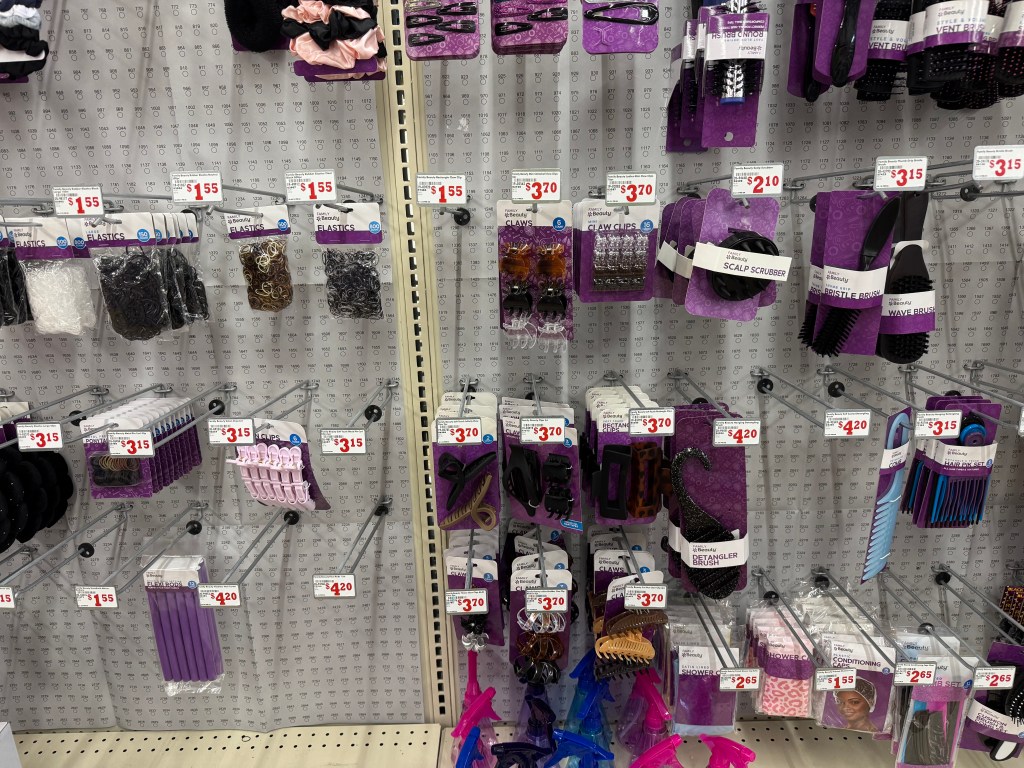
In the hair products section at Family Dollar, the store’s own products were easy to distinguish because of the consistency in their packaging and color scheme. While this is a simple branding technique, it also highlights how stores like Family Dollar can feel more like a grab-and-go experience, with the focus placed on practicality rather than creating an experience around the product. But simplicity does not necessarily mean brands cannot use product photography or diverse representation to make shoppers feel seen. Even a simple display can show different people using these products and create a sense of connection without making the shopping experience complicated.
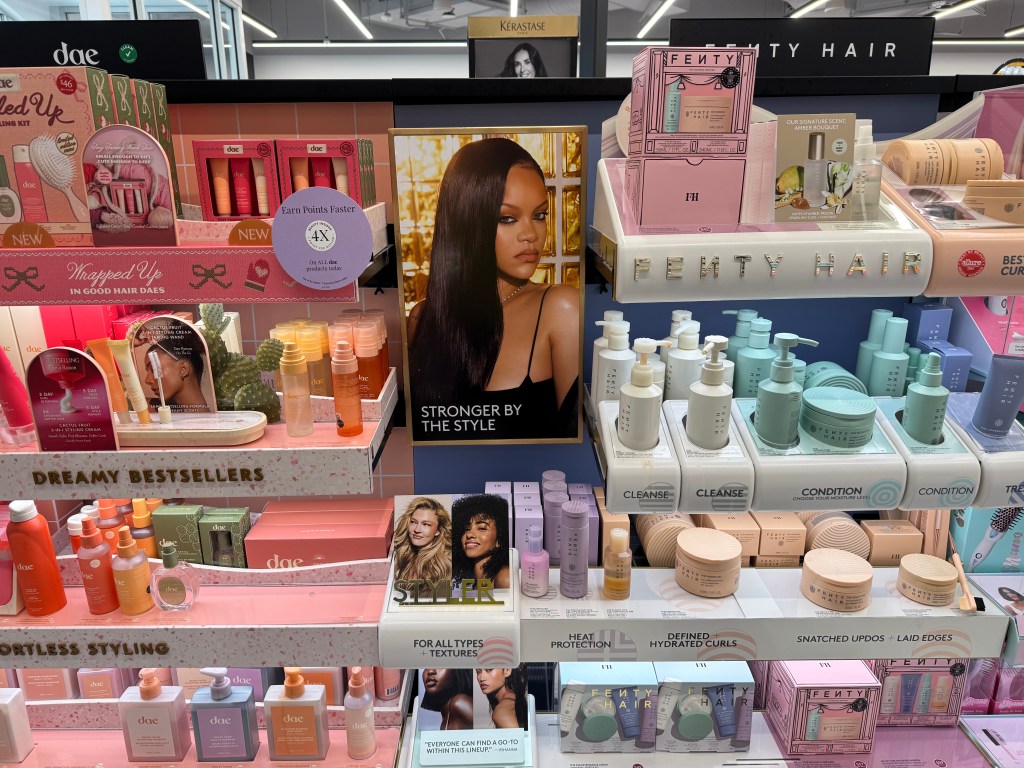
Rihanna’s Fenty Beauty has recently expanded into hair products. Celebrities who develop beauty brands sell more than just the product itself; they sell a glimpse into their lifestyle. This inevitably makes consumers associate the product with the person behind the brand. Rihanna being placed between the displays is especially interesting because her image becomes part of the shopping experience, immediately drawing attention to the products and the lifestyle they represent.
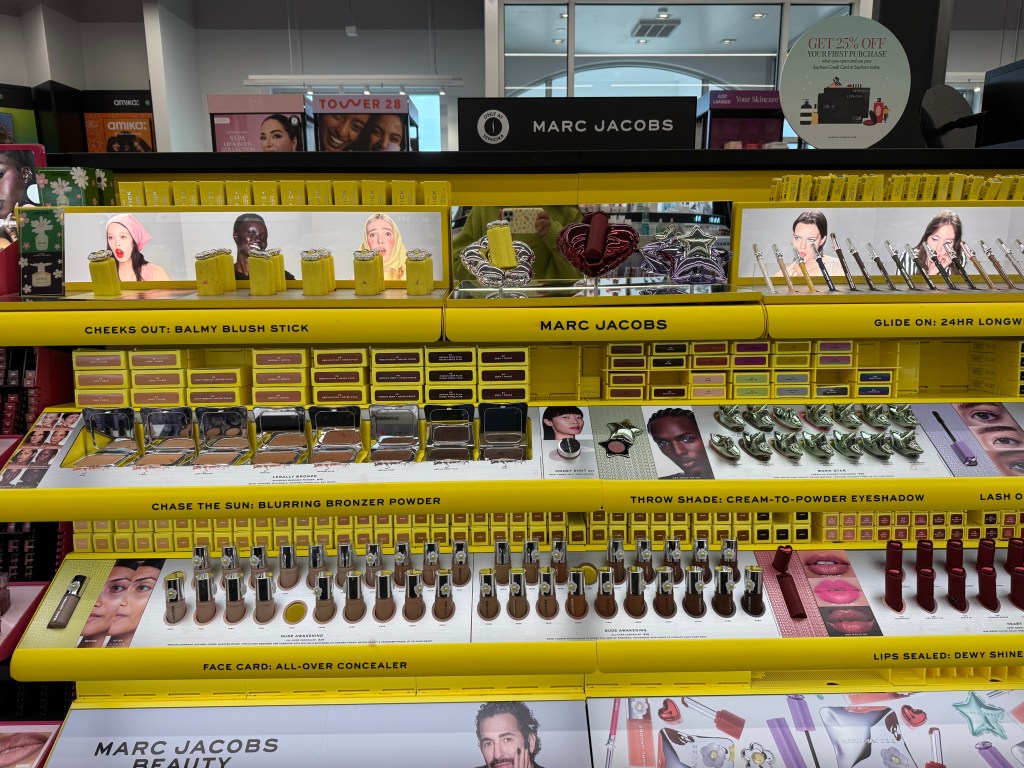
This new Marc Jacobs Beauty line could easily grab anyone’s attention with its bright yellow displays. The metallic and unique packaging clearly targets people who are interested in investing in an aesthetic, making the product feel like part of a larger style rather than just makeup. While the photography is minimalistic, the range of people represented adds another layer to the brand’s visual identity.
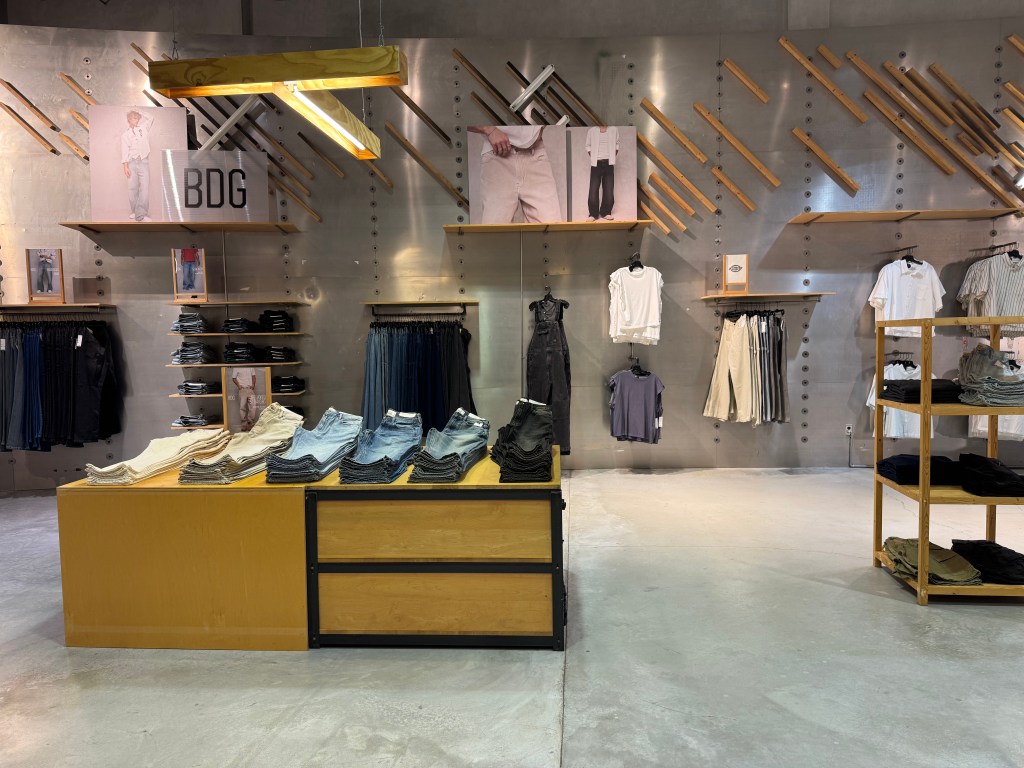
The open space, neutral colors, and carefully arranged clothing make Urban Outfitters feel more curated and intentional. Instead of filling the space with as many products as possible, the store creates a specific aesthetic that can make the products feel more valuable. It makes you wonder how much the environment around a product influences the way we see its worth.
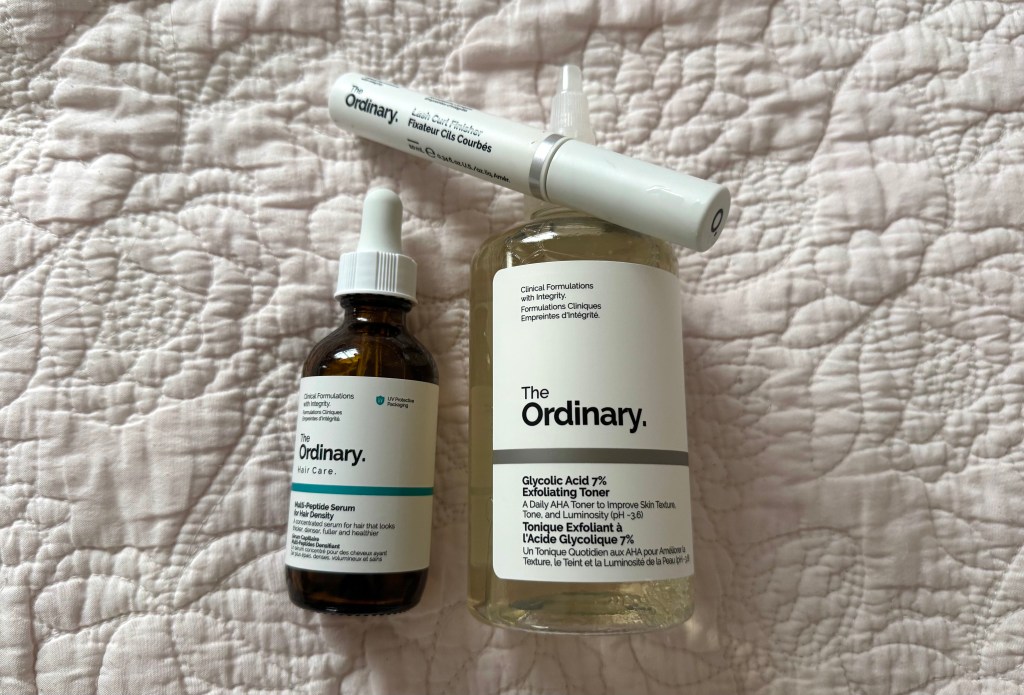
The Ordinary takes a completely different approach to creating value through its packaging. The neutral colors, and scientific-looking labels make the products feel clean and trustworthy without needing flashy displays. This shows how brands can make products feel valuable in different ways, with The Ordinary using scientific terminology to create an image of effectiveness and expertise.
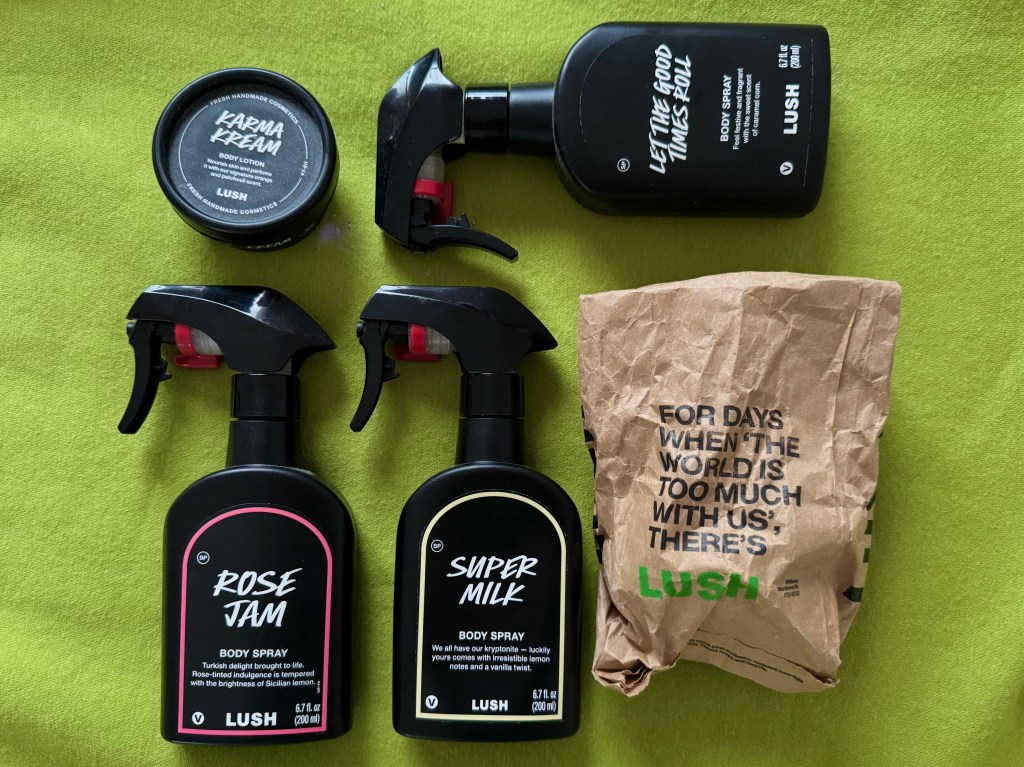
While LUSH has a similar motive to captivate customers through its packaging, its dedication to clean products and ethical production adds a meaningful twist to its branding. Its packaging is distinguishable among other body care products while still having practical purposes, such as protecting products from sunlight with its black containers and putting body sprays in spray bottles that can be reused. But the experience of going into LUSH is also part of what makes the products feel valuable. The strong smell throughout the store, the option to try out products in the store sinks, and even having a fresh bar of soap cut for you all add to the luxury that LUSH creates around its products. LUSH is an example of a brand that creates value in different ways, showing that the way products are presented and experienced can influence how we perceive the people who use them.
Overall, these brands show that value can look very different depending on how a product is presented. From the design of a store to product packaging, these details can shape how we see a product and the people who use it.

