Are We Buying the Product or the Feeling?
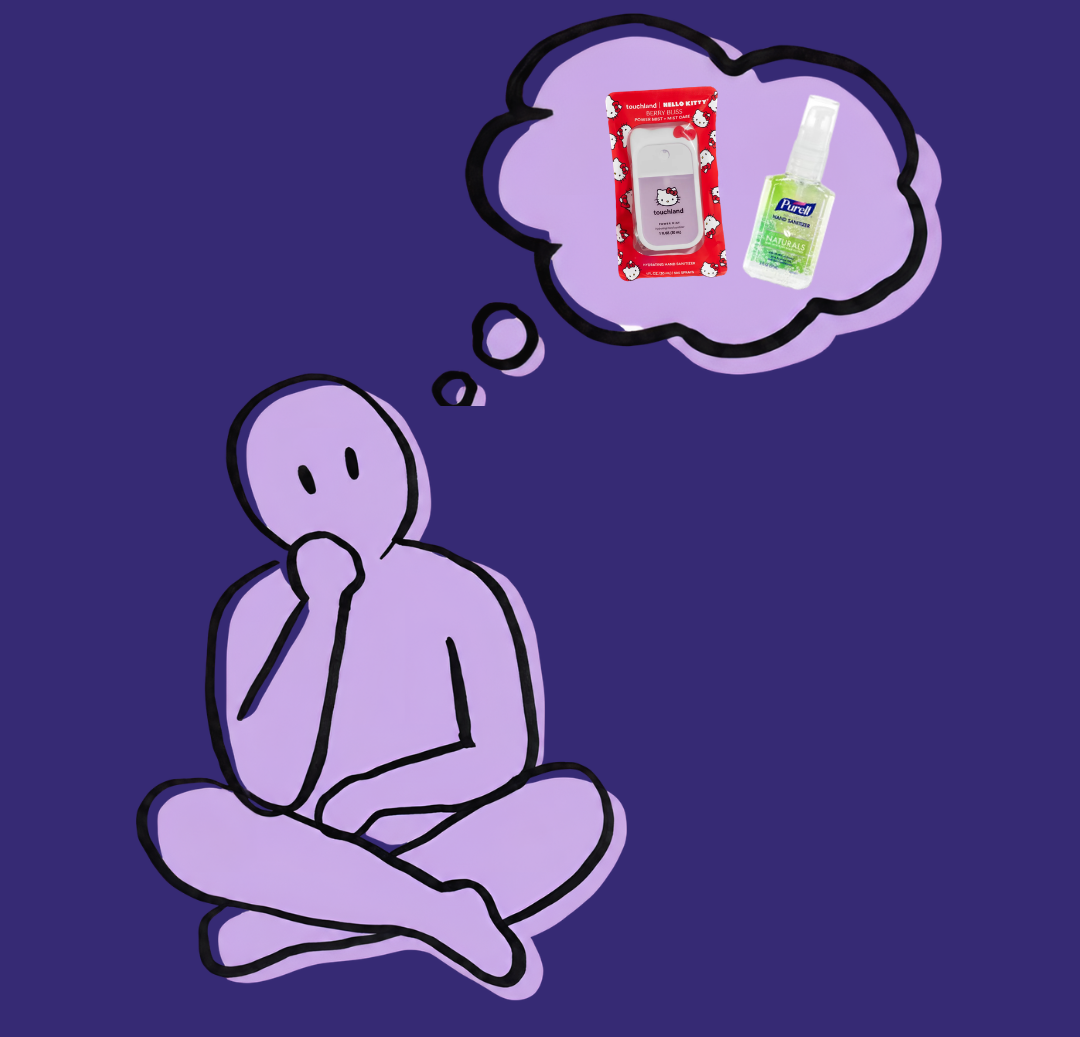
Whenever I walk into Sephora or Ulta, I am bombarded with colorful color schemes, sleek designs, and unique packaging. Every item is actively fighting for my attention in a different way. Is The Ordinary going to get me because of how simple and medical their products look? Is Tatcha finally going to sell me on their water moisturizer in the super cute teal container? Or am I ever going to give into the rhode craze and purchase an almost $30 lip product just because the ad has a ginormous fruit on it?
Nowadays, it seems like a lip balm can come in packaging that looks like an accessory, hand sanitizer can look more like perfume, and skincare brands can build entire visual worlds around products that, at their core, are designed to do something very simple. This is where the experience economy becomes interesting because consumers are not only buying what a product does, they are also buying how it makes them feel.
Design plays a major role in creating that feeling. Color, packaging, photography, typography, advertising, and even the shape of a product can create an emotional connection before a consumer ever uses it.
The Product Is just the tip of the iceberg
Our HubSpot reading helped me think about how a brand experience is not just limited to consumers using the product. Instead, it is about the interactions consumers have with the brand. A consumer’s first encounter with a brand can stem all the way back to seeing an advertisement, scrolling past a TikTok, or noticing the packaging in a store, and it’s these moments that really count.
This is especially obvious with beauty brands like rhode. Rhode has created an entire visual identity around it, with minimalist packaging, it-girl style shoots, a prominent social media presence, and trendy collaborations. All of these elements combined, truly make the products feel connected to a larger lifestyle. Fast Company recently described rhode as a master class in modern branding, highlighting the brand’s highly recognizable visual identity and its ability to build anticipation around new products.
When Everyday Products Become Desirable
Touchland might be an even clearer example of how design can change our relationship with an ordinary product.
Purell is something most people associate with function because you use it when you want clean hands. Touchland, however, redesigned the way we think about it. Its slim, square bottle, mist application, scents, and skincare-focused formula make hand sanitizer feel closer to a beauty accessory than a traditional hygiene product. Forbes described Touchland as turning a mundane product into a sensory accessory, while the brand itself describes its goal as transforming everyday essentials into moments of delight.
The difference between Purell and Touchland is how the consumer interacts with the product. Touchland is something you can enjoy using and feel good about having on display, whereas Purell has not really changed since my first memories of using it at a doctor’s visit.
The experience economy is interesting because design can create value for one person while another person sees it as unnecessary marketing. Sometimes people are willing to pay more because they like what a product represents, while others would rather spend less on something that does the same thing.
Design Helps People Feel Seen
This idea extends beyond minimalist beauty brands. Topicals, for example, has created an emotional connection through representation and the way it talks about skin conditions. Instead of simply presenting skincare as a solution to a problem, the brand has built a community around making people feel seen and less ashamed of their skin.
This connects to our reading about personas, which emphasizes understanding users’ goals, behaviors, needs, and motivations. When brands understand that consumers are looking for more than a functional solution, design can respond to those emotional needs, especially with people being more vigilant about the morals of a brand, who owns it, and what they are doing with their success.
Topicals’ advertising and visual communication feel different from traditional beauty advertising because brand is communicationg to consumers that their skin belongs here, giving people another reason to stick with it.
Creating an experience
Our ArchDaily reading on visual communication and mood boards also connects to this idea. Mood boards bring together colors, images, textures, and other visual elements to establish a specific atmosphere and communicate how something should feel. Beauty brands do this constantly.
The color palette of a package, the lighting in an advertisement, the people featured in a campaign, and even the surface a product is photographed against can create an emotional response before we even know if the formula works for us.
That’s why I think the most interesting question is no longer just, “Does this product work?” It is also, “What am I buying beyond the product?”
Through design, brands can create entire experiences. In experience economy, the product is just part of what consumers are buying and the rest is the feeling built around it.
 XIOMIDIA