My favorite kinds of assignments are the ones where professors give us the option to write a ten-page essay or produce a 15-minute podcast.
I’m always going to choose the podcast.
Not because I think it’s easier, but because I get to sound more like myself than I would in an essay.
Although the process can be more tedious than writing an essay, I find it much more creative and rewarding, especially after spending hours recording, editing, and finally hearing everything come together. Plus, when I get my setup right, the recording process usually goes pretty smoothly.
However, I’ve learned that producing a good podcast requires more preparation than simply sitting in front of a microphone.
In 7 Secrets of Getting Pro-Sounding Vocals on Home Recordings, Filippo Gaetani discusses how achieving professional-quality audio doesn’t necessarily require expensive equipment or access to a recording studio.
Instead, he emphasizes the importance of understanding your recording environment and making adjustments that can improve your sound. Something as simple as positioning your microphone correctly or minimizing background noise can make a noticeable difference in the final recording.
One section I enjoyed was “Hack Your Bedroom,” which explains how everyday household items can improve the acoustics of a recording space. I found this relatable because whenever I’m recording audio at home, I sometimes find myself speaking close to a pillow to help reduce echoes and make my voice sound clearer.
This reminded me of how I produced my podcast Beyond the Beat this week. I stuck to my usual set up of speakin in front of pillows to improve my audio quality without having to invest in expensive equipment.
Of course, getting a good recording is only part of the process. No matter how many times I try to record everything perfectly in one take, there’s almost always something that needs to be fixed or rearranged during editing.
I experienced this firsthand last semester while producing a video podcast, where editing involved more than just making the audio sound good. I spent a lot of time figuring out how to incorporate visuals into our conversations. We often had to select images that complemented what we were discussing, making the content more engaging while giving viewers additional context.
In Sound Advice: Editing Audio for Video, the author discusses how audio editing contributes to the overall quality of a video production.
One of the main ideas is that audio should be treated as an essential part of storytelling rather than something added after the visuals are complete. Different elements, such as dialogue, background sounds, and music, can help establish continuity between scenes while making the content easier to follow.
The “Edit for Audio” section builds on this idea by introducing an approach to organizing footage that I hadn’t really considered before. The author explains how editors should first arrange their clips in a way that tells a complete story, even if the visuals don’t transition smoothly at first. Once the story makes sense through the dialogue, they can go back and fix any visual inconsistencies.
I found this approach useful because I usually associate video editing with making sure everything looks visually appealing. However, it made me realize that a video can look great and still be confusing if the dialogue isn’t organized properly.
This is something I want to apply to my own projects, especially when editing interviews or podcasts. By focusing on what is being said and how the conversation progresses, I can establish a clear storyline before worrying about the smaller editing details.
Ultimately, producing a podcast involves more than just sitting in front of a microphone and recording a conversation. Every decision, from where I record to how I arrange my clips, contributes to the final product.
As I continue working on podcasts, I want to be more intentional with these choices while still maintaining the creativity and personality that made me enjoy podcasting in the first place.
Audio and Visuals Working Together
One of my favorite things about Euphoria is its cinematography, especially the carnival scene in the first season.
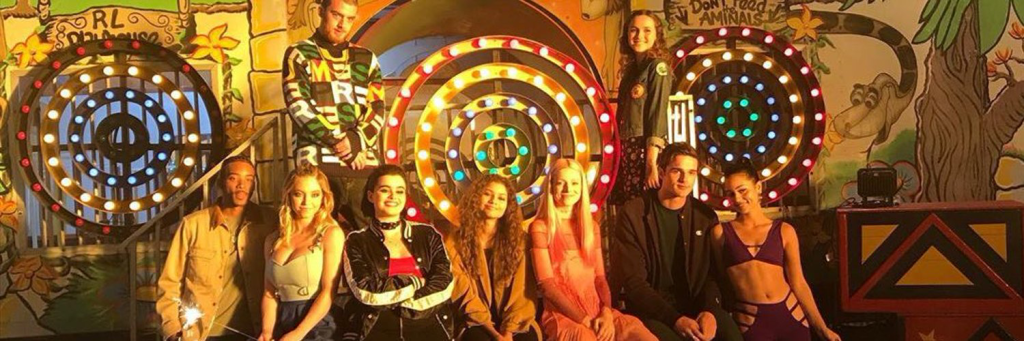
I think the sequencing is done incredibly well because the camera moves through the carnival in what appears to be one continuous shot, introducing different characters while establishing the setting.
Although the carnival is busy, the audio remains clear, allowing us to hear people screaming and laughing, the movement of the rides, and the conversations happening throughout the scene. I especially like how these sounds overlap without becoming too distracting, making the environment feel realistic and immersive.
Overall, the combination of the camera movement and ambient noise helps connect the characters’ different experiences while maintaining the energy of the carnival.
Another scene I’m fascinated by is he Sunken Place scene from Jordan Peele’s Get Out.

This is just another great example of how sound can contribute to a film’s storytelling. One detail I find especially interesting is the sound of Ms.Armitage scraping her spoon against her teacup while speaking to Chris.
Although it seems like an ordinary background noise, the repetitive sound holds a lot of significance because it becomes the trigger she uses to hypnotize Chris.
The imagery is just as effective because we watch Chris fall backward into complete darkness while his body remains physically present, but his consciousness becomes trapped.
By combining the spoons scraping sound with Chris’s growing panic, Peele created an unsettling scene thats hard to forget.
Last, but not least, Kendrick Lamar’s music video for ELEMENT. is another project I think is incredibly well produced because of how the visuals and lyrics work together to communicate a larger message.
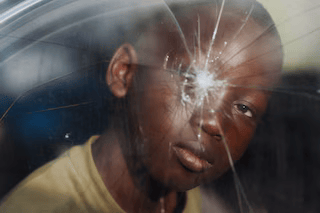
Kendrick Lamar’s music video for ELEMENT. is another example of how music and visuals can work together to tell a story. Throughout the video, we see a series of powerful shots that explore themes of violence, vulnerability, and identity.
The editing follows the rhythm of the song, making each scene feel connected to Kendrick’s lyrics. For instance, some shots are fast and intense, while others are slower and almost resemble photographs.
I think this contrast makes the video more impactful because it gives viewers time to reflect on what they’re seeing while still maintaining the energy of the music.
Rather than relying on dialogue, the video uses Kendrick’s lyrics and the imagery to communicate its message. This allows viewers to interpret the scenes beyond what is being said in the song.
This brings me back to the podcast I created this week, which highlights the importance of looking beyond the surface of a song to understand its deeper meaning. Through Beyond the Beat, I wanted to explore how music can communicate emotions and experiences that listeners might not immediately recognize.
Just as Kendrick Lamar uses visuals to add another layer of meaning to his lyrics, I wanted to show how a song’s lyrics, rhythm, and production can work together to tell a story.
From carnival background noises to the ryhtm of a song, every sound has the potential to contribute something meaningful to a story.
As I continue producing my own content, I want to pay closer attention to these details and experiment with how I can use audio to create something that not only sounds good but also leaves a lasting impression on my audience.

