As media creators, we are constantly working with things that can change. Trends change, technology changes, audiences change, and even the tools we use need to change. With how quickly the media landscape changes, thinking ahead becomes an important part of creating content and visual design.
This is where scenario planning can become essential.
Ellen Lupton introduces scenario planning as a way of thinking about possible futures rather than assuming there is only one outcome. This stood out to me because I feel like we do not always realize how much scenario planning takes place when developing content or visual design. Even when we are not intentionally calling it “scenario planning,” we are often thinking about what could happen next and how we should respond to it.
Planning for the Possibilities
As I dove more into scenario planning, I realized it can actually be a very practical process. The Management Center explains that organizations can start by identifying an important unknown and then creating multiple possible scenarios based on what could happen. From there, they can think about the potential effects and decide what actions they could take.
So, it is less about worrying ahead of time or overthinking the content you are creating—which is something i tend to do—and more about having a structured way of preparing for what could possibly come.
For example, if you are working on a social media post for a company and it does well, how can you continue to work with content that is similar? How can you prepare for people to take an interest in that style? Do you have posts lined up to respond to the new traction you are getting? Could the design be altered as time goes on and different seasons come around? These are all questions that can help a brand think beyond one successful post and consider where that success could lead.
Peeking Into the Future
In Scenario Planning: Developing Pictures of the Future by Michelle Beale, Beale takes this idea further by explaining how scenario planning can involve looking at trends, drivers of change, and uncertainties and then combining them to create different versions of the future.
Instead of only looking at what is happening right now, the process encourages people to consider how those factors could change and what that could mean later. This made me think about how designers are already doing some of this when they research trends before creating something. We gather information from the present to help us make more intentional decisions about the future.
This is where I started thinking about visual design and storytelling in all forms of media. I found an article from Angelo Lagdameo that specifically looks at scenario planning through graphic design and brand strategy. Angelo Lagdameo’s article on scenario planning and creative strategy explains how designers can consider things like market trends, technological advancements, cultural shifts, and economic changes when developing different possible futures for a brand. What I liked about this is that it shows scenario planning does not have to stay at the business strategy level. It can directly influence the visuals, messaging, and identity that a designer creates.
So,,.I Was Already Doing It
Recently, I posted a TikTok that reached over 100k views, and after learning about scenario planning, I realized I had subconsciously used it while making the video.
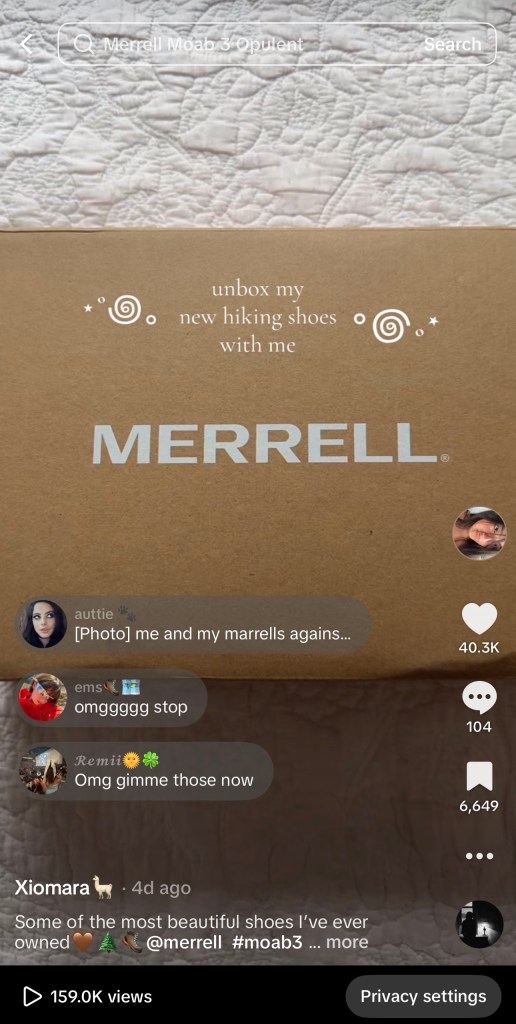
I noticed that hiking was becoming popular among people my age and that hiking shoes were also making their way into fashion trends, so I knew the timing of the video could work well for fall. I also used details I had seen in other hauls when creating my title and chose to feature one of my most unique pairs of shoes, which surprisingly had not sold out. In other words, I knew I had found something that could be considered a rare find.
At the time, none of this felt strategic, but looking back, I was considering different possibilities and thinking about what people might want to see and what could keep them interested. I didn’t know the video would reach over 100k views, but I was already planning around the possibility that it could do well.
Ultimately, what I like about scenario planning is that it does not require us to know exactly what the future will look like. Instead, it gives us a way to think through different possibilities and make more intentional and adaptable design choices.
While we may not be able to control what happens next, we can be more prepared to respond to it.

