Module 4 – September 18, 2025
In Chapter 10 of Stolen Focus, Johann Hari argues that one of the biggest reasons our attention span is collapsing is not just technology itself, but the stress that keeps us in a constant state of vigilance.
When humans feel unsafe or anxious, our brains shift into survival mode and we’re constantly scanning for threats instead of focusing deeply.
This feeling is nothing new to me.
Growing up in an age where media sites are so easily accessible, it makes it easier for stress to find me.
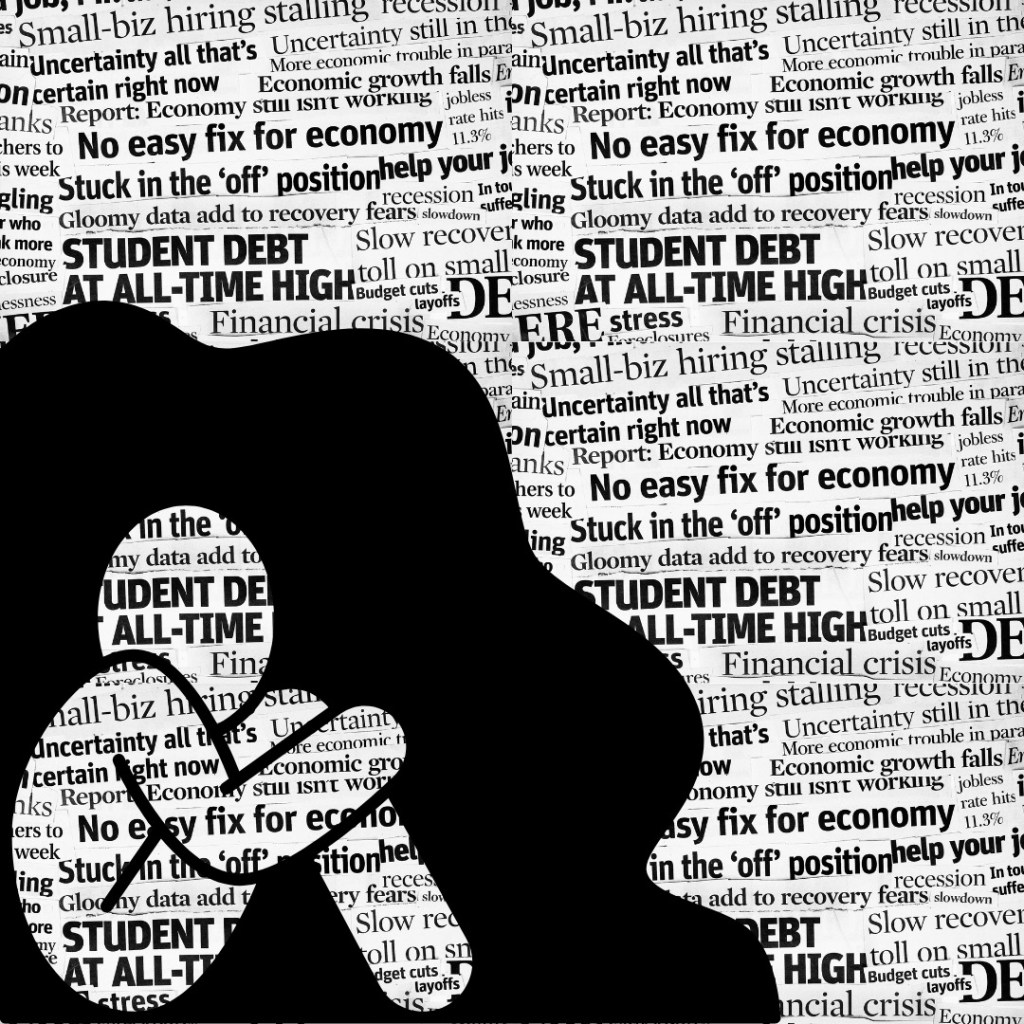
I’ll scroll through TikTok or Instagram hoping to wind down at the end of my day, but instead I find myself stuck scrolling through feeds of doom.
Every article, every news clip, every five-second video, everything seems to be falling apart, and our world starts to feel grimmer with every swipe. It becomes harder to process, but even harder to look away.
Even when I start clicking “not interested” or unfollowing accounts that provide vital information about the state of our country and the world, I feel guilty and eventually circle back into the same cycle of checking the same sites.
It’s a complicated feeling. I want to be on social media to alleviate my stress and get a good laugh, but in between every laugh, I’m hit with another piece of breaking news.
This feeling of media overload is draining and dangerous and that’s where the phrase “I’m just not educated enough” starts to creep in.
Audiences are being pushed away from processing and understanding the content they consume, making it harder to form a stance or an educated opinion on important topics.
At the same time, it’s becoming more difficult to strike a balance between staying informed and staying mentally safe.
That tension shows up for me daily. So, when Hari discusses that in order “To pay attention in normal ways, you need to feel safe…in a safe environment…” this way, “you can learn things and flourish and develop,” I realized how the media often keeps us stuck in “danger mode,” conditioning us to scroll rapidly, bracing for the next alarming update instead of absorbing each story with care.
The cycle is clear: we’re overwhelmed, we check out, we feel guilty, and then we dive right back in.
But, if the media continues to portray the world as only unsafe, we lose both our focus and the capacity to act on real solutions.
Breaking free from this cycle won’t be easy, but recognizing it is the first step in setting boundaries with the internet.
 XIOMIDIA